The Complete Guide to Driveway Cleaning in Melbourne
A clean driveway improves your home’s appearance and helps remove slippery algae, accumulated dirt and vehicle stains. In Melbourne, winter moisture, shaded gardens and fallen leaves can leave driveways looking tired and feeling slippery. Effective driveway cleaning starts with identifying the surface, treating stains correctly and managing dirty water responsibly—not simply increasing the pressure.
How Often Should You Clean Your Driveway?
For many Melbourne homes, a thorough clean every 12 months is a useful starting point. Shaded driveways, heavily used parking areas and surfaces beneath trees may need attention more frequently. Sweep regularly and address oil spills promptly rather than waiting for an annual clean.
Choose a mild day with enough drying time. Avoid cleaning during extreme heat, when detergents can dry too quickly, or immediately before rain, which can interfere with treatment and runoff control.
Choose the Right Method for Your Driveway
Concrete and Exposed Aggregate
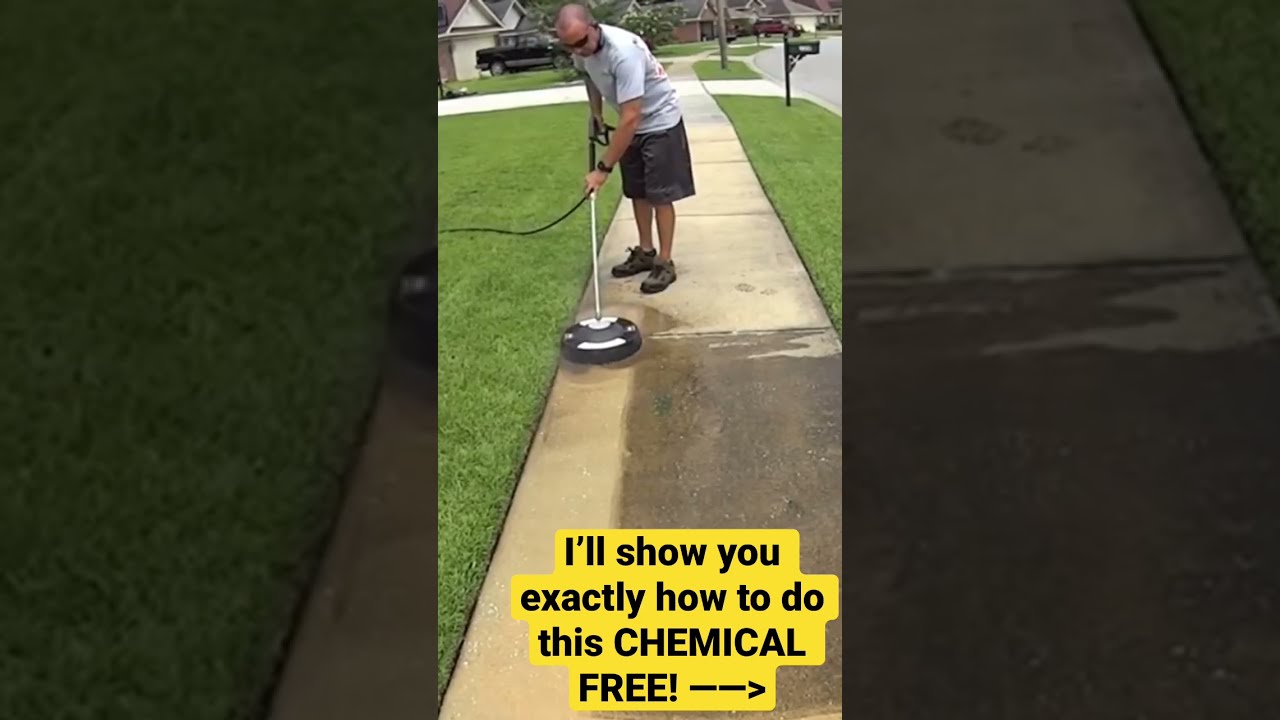
Sound, uncoated concrete generally tolerates professional pressure cleaning, but excessive pressure can etch the surface and leave permanent stripes. A suitable rotary surface cleaner can produce a more consistent result than a narrow spray jet. Exposed aggregate requires care around loose stones, damaged areas and existing sealers.
New concrete needs adequate curing before pressure cleaning or sealing. Follow the installer’s instructions rather than assuming every slab is ready after the same period.
Brick and Concrete Pavers
Pressure washing can remove dirt from pavers, but it can also dislodge jointing sand. Use controlled pressure and inspect the joints afterwards. Replace lost https://elliottlqya955.halcyonledger.com/posts/diy-vs-professional-pressure-cleaning-the-real-trade-offs jointing material with a product suitable for the paving system, following its installation instructions. Loose pavers and drainage problems should be repaired before cleaning.
Natural Stone
Stone needs a material-specific approach. Acidic cleaners can damage limestone, marble and other acid-sensitive surfaces. Use a compatible cleaner, test a small inconspicuous area and avoid assuming that products labelled for concrete are safe for stone.
Asphalt and Decorative Coatings
Asphalt, painted concrete and decorative finishes can be damaged by aggressive pressure or unsuitable solvents. Gentle cleaning with a compatible detergent is often preferable. Check the surface manufacturer’s guidance, especially where a coating is peeling or a sealer is deteriorating.
A Practical Driveway Cleaning Process
- Inspect the area: Identify the surface and check for cracks, loose material, damaged seals and nearby electrical equipment.
- Clear and sweep: Move vehicles, pots and other obstacles, then remove leaves, grit and loose debris.
- Plan runoff control: Identify drains and prevent contaminated wash water from entering the stormwater system.
- Pre-treat stains: Apply a surface-compatible cleaner according to its label, including the recommended dilution and contact time.
- Test before cleaning: Start in an inconspicuous area using the least aggressive effective setting.
- Clean consistently: Work in manageable sections, keeping the spray moving and maintaining a consistent distance.
- Inspect after drying: Check for remaining stains, displaced jointing sand and any repairs needed before considering sealing.
Removing Common Driveway Stains
Oil and Grease
For a fresh spill, use an appropriate absorbent material and collect it for disposal. Do not hose oil into the street. A driveway-safe degreaser may help remove residue, although older stains can penetrate porous surfaces and remain visible after cleaning.
Algae, Moss and Slippery Growth
Shaded, damp sections often develop biological growth. Use a treatment approved for the surface and follow all label precautions around plants, pets and drainage. Improving drainage and reducing persistent shade where practical can help slow regrowth.
Rust and Leaf Marks
Rust and tannin stains may need targeted products rather than additional pressure. Some rust removers are acidic and unsuitable for particular stones or finishes. Never mix cleaning chemicals, especially chlorine-based products with acids or ammonia.
Water Restrictions and Stormwater Responsibilities in Melbourne
Before cleaning, check current requirements with your Melbourne water retailer. Victorian permanent water-saving rules restrict hosing hard surfaces, with specific exceptions and conditions. Additional restrictions can change what is permitted, so do not assume pressure cleaning is automatically allowed.
Stormwater drains generally carry water towards local waterways rather than a sewage treatment plant. Keep detergents, oil, sediment and contaminated wash water out of gutters and drains. Even products described as biodegradable should not be allowed into stormwater.
Depending on the site, responsible cleaning may require drain protection, containment and wastewater recovery. Check EPA Victoria, your council and the relevant water authority for applicable disposal requirements; discharge to the sewer is not automatically permitted.
DIY or Professional Driveway Cleaning?
DIY cleaning may suit a small, sound surface with light dirt and manageable drainage. Wear enclosed, slip-resistant footwear and eye protection, keep children and pets away, and never direct a pressure washer at skin. Petrol-powered equipment must not be operated in enclosed or poorly ventilated spaces.
Professional help is worth considering for large driveways, delicate surfaces, heavy staining or sites where wastewater is difficult to contain. When comparing Melbourne driveway cleaning services, ask:
- How will the cleaning method suit my surface and existing sealer?
- What stain treatment and runoff management are included?
- Does the business hold appropriate public liability insurance?
- Does the written quote cover preparation, access, joint re-sanding and any sealing separately?
Should You Seal the Driveway Afterwards?
Sealing is optional, not an automatic requirement after every clean. A compatible sealer can reduce liquid absorption and make maintenance easier, but it may change the appearance or wet-weather slip resistance. The surface must meet the product’s cleanliness, dryness and weather requirements before application.
Ask whether an existing sealer needs removal and whether the proposed finish suits vehicle traffic. Follow the manufacturer’s curing instructions before parking on the driveway.

Keeping Your Melbourne Driveway Cleaner for Longer
Sweep away leaves, clean spills promptly and keep drainage paths clear. Repair leaks from parked vehicles and inspect shaded areas for slippery growth. With a surface-specific approach, sensible maintenance and responsible wastewater handling, driveway cleaning can refresh your property without causing avoidable damage.
Melbourne Pressure Cleaning Pros
(03) 8007 3103